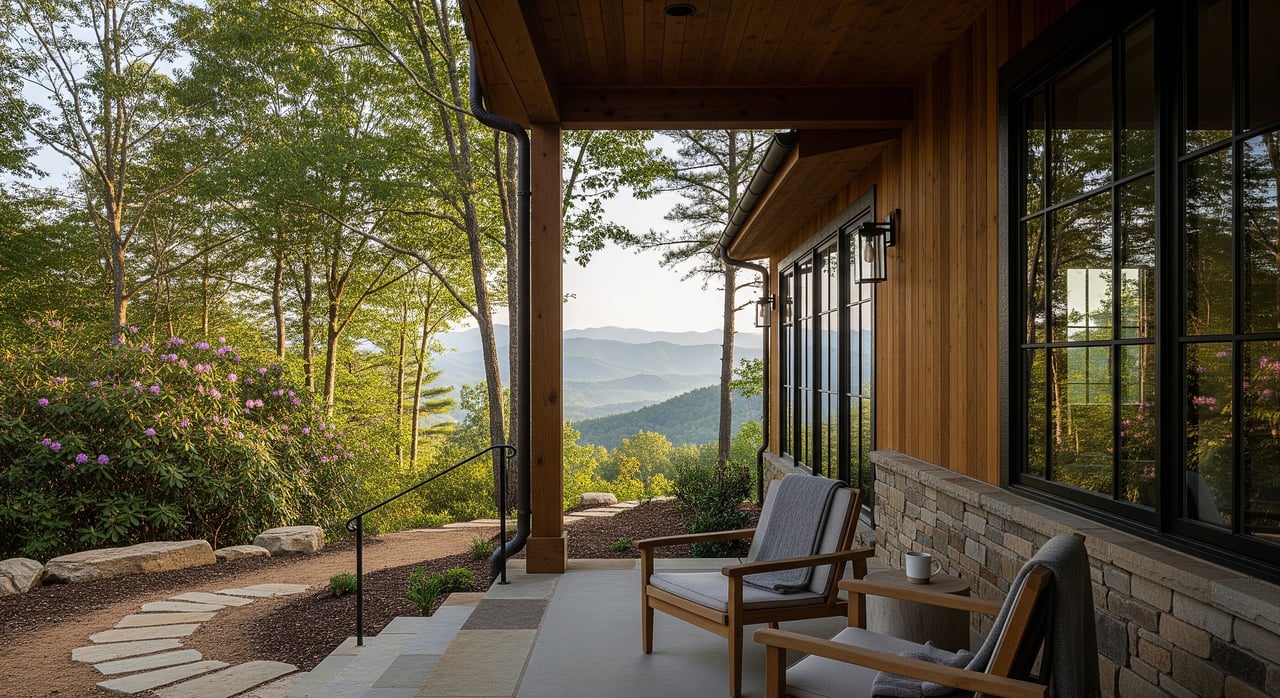
Asheville Mountain Living Guide to Culture & Trails
February 5, 2026
February 5, 2026
Thinking about a life where your morning coffee is a short walk, your lunch break can be a riverfront bite, and your evenings often end under string lights at a local brewery? Asheville offers that pace. You want real mountain access, a lively arts scene, and practical everyday conveniences. This guide walks you through the culture, trails, neighborhoods, and buying considerations that shape daily life in Asheville and Buncombe County. Let’s dive in.
Asheville is a small city within a county of a few hundred thousand residents, which gives it a friendly scale and a strong sense of place. You will feel the tourism energy on weekends and during leaf season, but you also find tight-knit neighborhoods and everyday routines. The area blends healthcare, education, hospitality, arts, and a growing remote-worker crowd.
If you are balancing lifestyle and logistics, Asheville offers four true seasons, an airport with national connections, and short drives to trails. You also get a community that values local businesses, creative expression, and outdoor time.
Mornings often start with bakery runs or a quick coffee, followed by short commutes or remote work. Midday is about food trucks, patios, and errands. Evenings lean toward live music, breweries, and farm-to-table dining. Weekends fill with hikes, markets, and festivals.
Downtown is compact and walkable, with galleries, restaurants, music venues, and a steady flow of visitors. If you like an urban-mountain vibe, you will enjoy the energy here. Just south along the French Broad, the River Arts District mixes studios, galleries, and breweries with riverfront paths. Some parcels near the river require floodplain awareness.
West Asheville centers on Haywood Road, where indie shops, cafés, and weekend foot traffic create a lively scene. This area appeals to buyers who value local flavor and a neighborhood feel with quick access to downtown.
These in-town areas feature historic homes, tree canopy, and a quieter residential pace close to parks and cultural anchors. If you want proximity to downtown without living in the middle of it, this side of town is worth a look.
Biltmore Village blends historic architecture with upscale shops and dining. Farther south, you find more suburban conveniences, newer housing options in some pockets, and quick access to major retail and medical hubs.
Weaverville, Black Mountain, and Swannanoa are short drives from Asheville and offer a small-town feel with access to the city. If you want more land or lower density but still want to be close to restaurants and culture, these communities are practical options.
Asheville’s biggest lifestyle benefit is how quickly you can reach greenways, trailheads, and scenic overlooks.
The Blue Ridge Parkway runs right by town, with quick access to overlooks and short hikes. Popular stops like Craggy Gardens and Craggy Pinnacle are classic half-day outings. Expect heavy traffic on peak fall weekends. Learn more from the National Park Service’s Blue Ridge Parkway page on scenic drives, overlooks, and closures at the Blue Ridge Parkway official site.
Pisgah National Forest offers waterfall hikes, technical routes, and mountain biking. The Bent Creek area is a local favorite for riders and hikers who want trails close to town. For maps, recreation info, and seasonal updates, start with the Pisgah National Forest overview.
Summer weekends and fall foliage season are the busiest for the Parkway and popular waterfalls. Parking can be limited at trailheads. Locals often go early or later in the day, use less-known access points, or opt for shoulder-season hikes. Winter brings fewer crowds at lower elevations, but ice and snow can affect higher peaks and road access.
Asheville’s social life is anchored by craft beverages, independent restaurants, and a busy arts calendar.
The brewery scene is part of daily life here, with taprooms and beer gardens that welcome families and friends. Many breweries host music nights and food trucks, so it is easy to make a casual evening of it.
You will find farm-centric dining, New Southern cuisine, food trucks, and specialty markets throughout town. Weekly farmers markets are a staple for residents. For a sense of the local calendar and seasonal highlights, browse the city’s tourism hub at Explore Asheville and its events listings.
The River Arts District, galleries, public art, and small venues make it simple to fill your week with shows and studio visits. Festivals and performances run year-round, from intimate sets to citywide celebrations.
A great lifestyle needs good logistics. Asheville balances both.
Most residents drive. Public transit exists but is limited compared to larger metros. Commuter congestion can build near employment centers and during peak tourism seasons. The Asheville Regional Airport is typically a 20 to 30 minute drive from downtown, with details and destinations at the AVL official site.
At roughly 2,000 to 2,200 feet, Asheville has four seasons with milder summer highs than the lower Piedmont. Winters in town are moderate, though surrounding peaks can be colder and snowier. This elevation pattern is a major draw for hikers, cyclists, and anyone who prefers a mountain climate.
You will find conventional grocery chains, specialty shops, and a healthy farmers market scene in the city. Major regional hospital systems serve Asheville, and clinics are easy to reach. Rural outskirts have fewer retail options, so factor drive times if you are eyeing a remote lot.
The Asheville market has seen strong demand since the mid-2010s and especially after 2020, including interest in second homes. Inventory can be tight in popular areas, which puts pressure on affordability. Micro-market knowledge matters.
Short-term rentals are popular in tourist zones, but rules vary by address and zoning. Registration, occupancy tax collection, and restrictions may apply. Before buying, confirm current regulations on the City of Asheville and Buncombe County official sites, and review any HOA covenants that affect rentals.
Mountain lots can involve steep driveways, engineering, and septic or well systems outside utility districts. Flood risk exists along the French Broad River and other valleys, which can affect insurance and lending. Start your risk check with the FEMA Flood Map Service Center and verify details during due diligence.
One of Asheville’s advantages is how close the outdoors really is. Many Blue Ridge Parkway overlooks and trailheads are 20 to 45 minutes from downtown, with a few under 20 minutes depending on traffic. Popular Pisgah National Forest trailheads, including Bent Creek, are a short drive. For scenic drives and closure info, rely on the Blue Ridge Parkway site and the Pisgah National Forest page.
If you want four seasons, quick trail access, and a creative culture, Asheville makes day-to-day life feel like a getaway. You will want to balance the fun with the practical: parking and crowds in peak seasons, higher demand in popular neighborhoods, and the added maintenance that comes with mountain lots. With the right guidance, you can match your wish list to the right micro-market and enjoy the best of both worlds.
Ready to explore Asheville and nearby mountain towns with a local, relationship-first team? Reach out to Heather Scott for tailored guidance on neighborhoods, lots, and mountain homes across Western North Carolina.
Stay up to date on the latest real estate trends.
October 22, 2026
October 15, 2026
October 8, 2026
October 1, 2026
September 24, 2026
September 17, 2026

September 10, 2026
September 3, 2026
August 27, 2026
Reach out to for expert real estate services. Buy, sell, or rent properties with confidence. Contact us today!