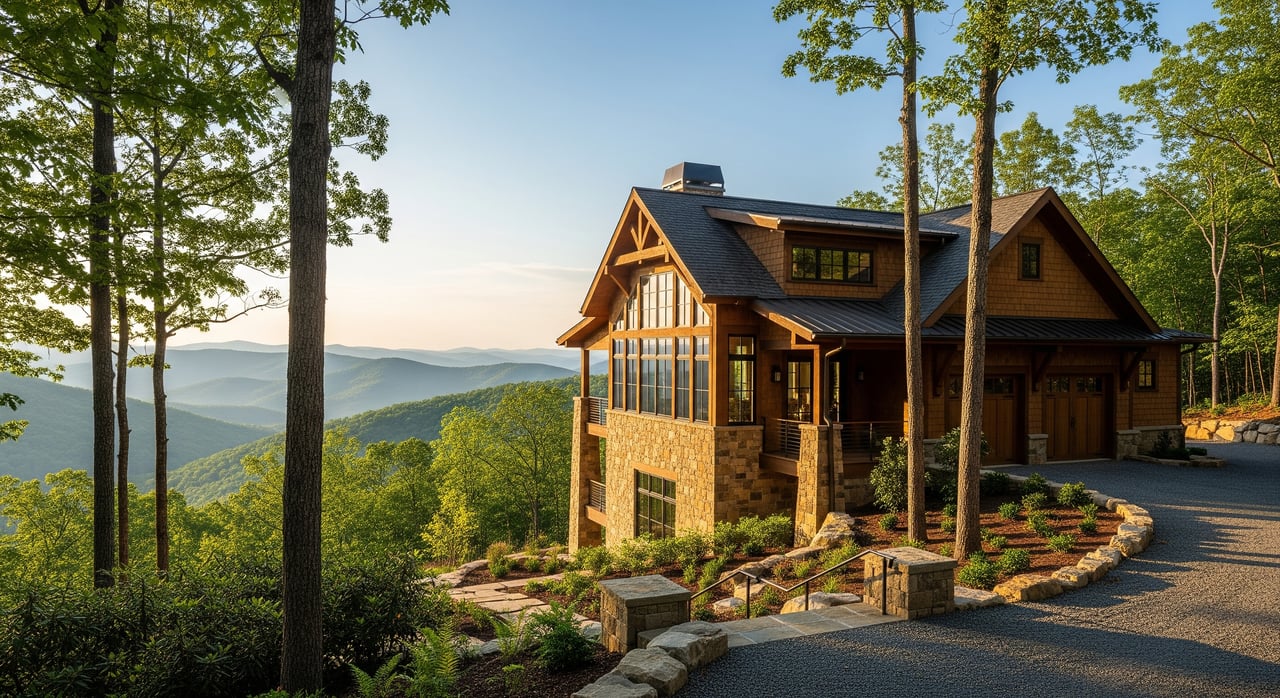
Cedar Mountain Buyer Guide to Mountain HOA Rules in NC
January 1, 2026
January 1, 2026
Thinking about a home in Cedar Mountain and wondering how the HOA fits into mountain living? You are not alone. In Western North Carolina, HOAs often handle the nuts and bolts that make life in the mountains work, from private roads to design reviews. This guide breaks down what to expect, what to verify, and how to protect your budget before you buy. Let’s dive in.
Cedar Mountain sits in Transylvania County near Pisgah National Forest and Brevard. Many neighborhoods feel rural and scenic, yet rely on shared infrastructure like private roads, community water, and trails. HOAs exist here to manage slope and weather challenges, maintain the character of the area, and operate amenities when communities offer them.
You will see a wide range of associations. Some focus on road and maintenance only. Others look more like resort communities with gates, trails, and full design control. Your experience and dues will depend on the services and standards that specific HOA manages.
In mountain communities, HOA services often cover the essentials that keep access reliable and shared areas safe. Typical services include:
Service level affects both your dues and your daily routine. A robust snow plan, for example, adds cost but reduces your need to arrange private plowing. Ask for a clear list of what the HOA covers versus what you must handle yourself.
Most mountain HOAs use architectural guidelines to protect views, native vegetation, and wildfire safety. Expect standards for exterior materials and colors, roof type, driveway cuts and grading, tree removal, and lighting. Setbacks and building envelopes are also common.
An Architectural Control Committee, often called the ACC, reviews and approves exterior work. You typically submit an application, follow a timeline, and may pay fees or deposits. Plan for extra time and cost if your lot needs retaining walls, driveway engineering, or erosion control.
Before you commit, verify how the ACC exercises its authority and how the HOA enforces violations. Ask about fines, required remediation, and typical approval turnaround. Understanding the process helps you avoid delays during a remodel or new build.
Private roads are common in Cedar Mountain subdivisions. The HOA or a separate road association usually handles grading, gravel, paving, and storm repairs. Public road adoption by NCDOT is a separate process, and many subdivision roads remain private.
Funding for roads can come from general dues, a dedicated road fund, or separate assessments. Some associations add a per-lot road fee on top of regular dues. Confirm in writing who pays for plowing, culvert repairs, and slope stabilization after heavy weather.
Utilities vary with the terrain. Community water or shared wells are typical where municipal service is not available. On-site septic systems are the norm, though some communities operate shared wastewater systems with added rules and fees. Electric and internet service can be more variable in the mountains, so ask about reliability, providers, and recent outages.
When reviewing a property, check the recorded plat, deed language, and any road maintenance agreement. Confirm easements and rights of way so you understand access responsibilities. Your title company can help verify whether roads are public or private and what obligations attach to your lot.
Short-term rental rules are not uniform. Some HOAs allow them with registration and minimum stays, while others restrict or ban them outright. You must review the covenants and any rules and regulations for the specific subdivision.
Remember that rental rules come from both the HOA and local government. If you plan to rent, confirm county requirements and state tax obligations. Owners who rent short term typically owe state sales tax and any applicable county occupancy tax, and may need to register with the appropriate tax authorities.
Insurance can be different for rentals. Some HOAs require proof of enhanced liability coverage if you offer short stays. Common friction points include parking, noise, trash, and septic capacity. Ask how the HOA enforces rules and what penalties apply.
Dues reflect the services your HOA provides. Budgets commonly include routine maintenance, road work, landscaping, utilities for common areas, insurance, management, and reserves. Read the current budget so you know what your dues cover and what they do not.
Healthy reserves matter, especially where private roads and water systems carry higher risk. A reserve study, often prepared by an engineer or financial professional, helps plan for long-lived components like roads and gates. If reserves are thin or absent, expect a higher chance of special assessments when storms or landslides occur.
The HOA usually carries master insurance for common areas and directors and officers coverage. You still need your own policy for the interior and improvements. Confirm whether the master policy is bare walls or more comprehensive, and learn the deductibles and coverage limits.
Before you close, gather documents and disclosures so you know the rules, fees, and upcoming projects. Ask for:
Then ask targeted questions to fill gaps:
Mountain properties benefit from specialized expertise. Bring in:
As you review documents, remember that HOAs can amend rules per their governing documents and North Carolina law, including the Planned Community Act in Chapter 47F. Check amendment procedures and vote thresholds so you understand what could change after you buy.
Choosing the right mountain property means aligning the lifestyle you want with the HOA and infrastructure that support it. Our team works across Brevard, Cedar Mountain, and greater Transylvania County, and we pay close attention to the details that matter here. We help you spot the tradeoffs between dues and services, understand ACC timelines, and gauge road and reserve risk before you make an offer.
If you want a clear plan for due diligence and a local read on each community, reach out. We will walk you through documents, coordinate with your title and inspection partners, and help you focus on homes that fit your goals. When you are ready to explore Cedar Mountain with a trusted local guide, connect with Heather Scott.
Stay up to date on the latest real estate trends.
October 15, 2026
October 8, 2026
October 1, 2026
September 24, 2026
September 17, 2026

September 10, 2026
September 3, 2026
August 27, 2026
August 20, 2026
Reach out to for expert real estate services. Buy, sell, or rent properties with confidence. Contact us today!