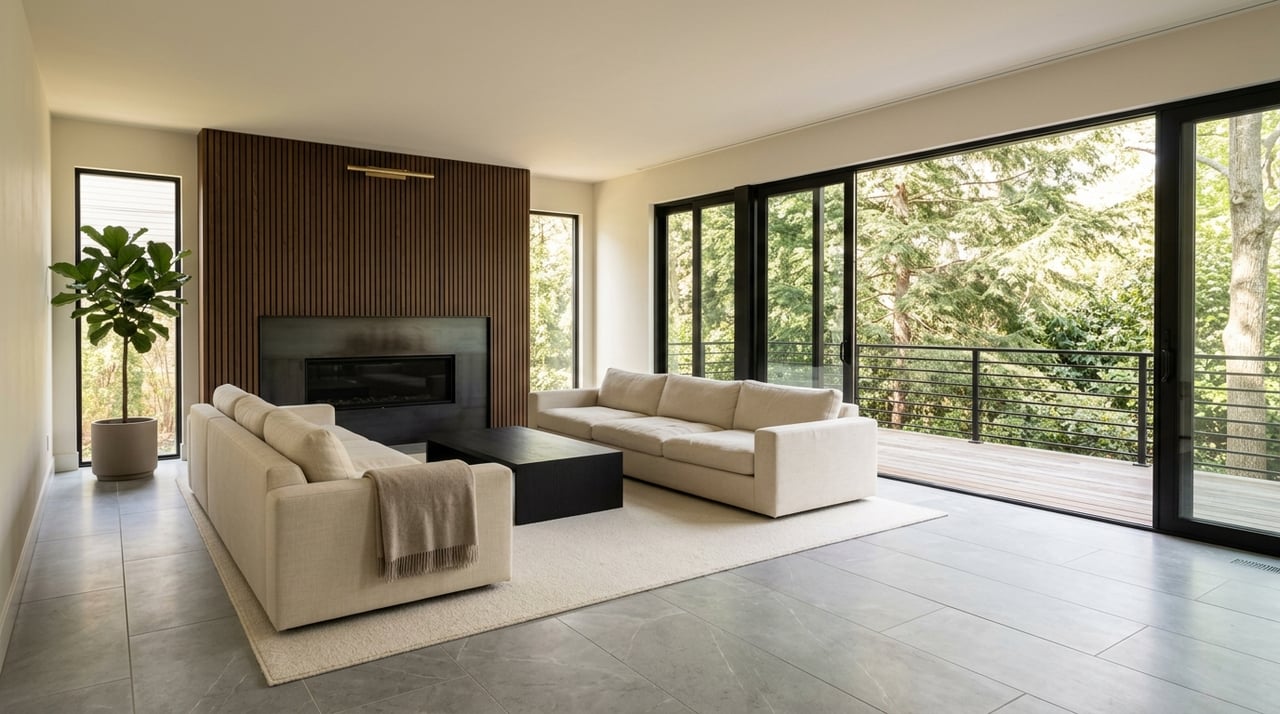
What Weekend Life Really Looks Like In Asheville
June 11, 2026
June 11, 2026
Ever wonder what Asheville actually feels like once the moving boxes are gone and the weekend arrives? If you are considering a move here, you probably want more than a list of attractions. You want to know whether weekend life feels easy, repeatable, and worth building your routine around. That is exactly where Asheville stands out. Let’s dive in.
One of the biggest surprises for many buyers is that Asheville’s weekend lifestyle does not read like a one-time vacation itinerary. It feels more like a rhythm you can return to week after week. With Asheville at 93,523 residents and Buncombe County at 277,417, the area feels active without always feeling overwhelming.
That balance matters when you picture everyday life. You can have a morning coffee, browse a market, spend part of the afternoon around galleries or studios, and still have time for dinner, music, or a scenic drive. In Asheville, those pieces sit close enough together to feel connected rather than scattered.
For many locals and relocators, the weekend begins with a simple ritual: coffee in hand, then a market stop. Asheville’s food culture is a big part of the city’s identity, with a local scene shaped by farms, makers, open-fire kitchens, and mountain-made craft beer. That local-first energy shows up clearly on weekend mornings.
Asheville has more than 17 local tailgate markets, and the WNC Farmers Market operates year-round. Its market shops are open daily from 8 a.m. to 5 p.m., which gives you a reliable option in every season. That consistency is a big reason Asheville’s weekend routine feels practical for full-time residents, not just visitors.
If you like a downtown start to your Saturday, Asheville City Market is a natural choice. If you prefer a more neighborhood-based routine, North Asheville Tailgate Market is another well-known option. If you want a larger year-round stop, the WNC Farmers Market can anchor the whole morning.
The broader market schedule also helps shape life beyond Saturday. River Arts District Farmers Market runs on Wednesdays, West Asheville Tailgate Market on Tuesdays, and East Asheville Tailgate Market on Fridays. Hours can shift with weather and harvest cycles, but the larger point stays the same: local shopping can become part of your normal week, not just a special outing.
Asheville’s creative side is not tucked away. It is visible in the middle of daily life, especially downtown and in the River Arts District. That gives weekends a sense of variety without requiring much planning.
Downtown Asheville is often described as the city’s creative core, with galleries, indie shops, restaurants, breweries, and music layered close together. You can spend an afternoon walking a few blocks and feel like you have covered a lot without rushing. For buyers who value an on-foot lifestyle, that is a meaningful part of the appeal.
The Downtown Asheville Art District includes more than 20 galleries and museums. It also hosts First Friday Art Walks from 5 to 8 p.m. on the first Friday of each month from April through December. That kind of recurring event matters because it gives your calendar an easy built-in plan.
Instead of constantly asking what to do, you start recognizing patterns. Asheville works well for people who like having recurring options, whether that means a monthly gallery evening or a reliable Saturday market loop. Over time, that repeatability can make a new city feel familiar much faster.
If downtown offers a polished, walkable mix, the River Arts District adds a more working-creative atmosphere. The district features more than 300 artists across 26 buildings. It also hosts a monthly Second Saturday Art Stroll, along with a free trolley during the event.
That setup makes it easy to browse at your own pace. You are not just looking at finished work in a gallery setting. You are stepping into a district where the act of making is part of the experience, which gives Asheville weekends a texture many buyers are looking for.
Asheville’s weekend story usually does not stop after dinner. The city’s evening scene is one reason many relocators describe it as energetic but still manageable. You can choose something casual and nearby instead of needing a major plan.
South Slope is one of the clearest examples. It is a compact, walkable district with nine of Asheville’s more than 40 breweries in just a few blocks. If you want a low-drive evening where you can move from one stop to the next on foot, this part of the city makes that easy.
West Asheville offers a different version of the same idea. Along Haywood Road, you will find coffee shops, eateries, shops, breweries, and live-music venues gathered along one corridor. That mix gives the area a local, layered feel that appeals to buyers who want neighborhood energy without needing to be downtown.
Not every weekend comes with perfect mountain weather. When you want something indoors or partially covered, Grove Arcade is a useful option. The historic arcade combines local boutiques, craft goods, galleries, and weekend live music.
That kind of backup plan matters more than people think. A city feels more livable when your weekend does not fall apart because of rain. In Asheville, there are enough indoor and outdoor options to keep the rhythm going.
One of Asheville’s biggest lifestyle advantages is how quickly a city weekend can turn into a mountain one. The Blue Ridge Parkway is a major part of that story. The National Park Service describes it as a 469-mile scenic drive with hiking, picnicking, concerts, bicycling, and camping.
For many residents, that means Sunday does not have to be complicated. You can head out for a scenic drive, stop for a short walk, bring lunch, and be back home without turning the day into a major expedition. That ease is a big part of Asheville’s long-term appeal.
Craggy Gardens is one of the strongest examples of a practical half-day outing. It sits about 20 miles north of Asheville and includes a visitor center, trails, and a picnic area. The National Park Service notes that Craggy Pinnacle can be reached in about a 20-minute walk and offers 360-degree views.
Rattlesnake Lodge Trailhead is another shorter option, located about 15 minutes north of Asheville at milepost 374.4. It offers a wooded hike with a historic element, which makes it a nice fit if you want nature plus a destination. These shorter outings help explain why outdoor access feels woven into local life here.
One practical note matters with any Parkway plan. Some Parkway or trail areas can be closed or only partially open after storm damage. Before committing to a specific hike or route, it is smart to check official conditions.
That does not take away from the lifestyle value. If anything, it reflects real mountain living. Flexibility is part of the rhythm, and Asheville gives you enough alternatives that a changed plan still leaves you with plenty to do.
One of the best ways to understand Asheville real estate is to connect daily lifestyle with location. Weekend life is not identical across the city, even though the pieces are closely linked. Where you live can shape how often you walk, drive, browse, or head outdoors.
If you want an urban, low-drive routine, downtown and South Slope are strong fits. This is Asheville’s walkable core, with galleries, restaurants, breweries, and evening plans clustered together. Buyers who want to be near the action often start here.
West Asheville centers on the Haywood Road corridor and mixes older Roaring Twenties bungalows with newer homes. The area brings together coffee shops, breweries, shops, and music venues in a way that feels distinctly neighborhood-driven. If you want an eclectic, local-first feel, this area often rises to the top.
East Asheville offers a more residential setting while still being within about a five- to ten-minute drive of downtown. It also has one of the area’s main access points to the Blue Ridge Parkway. For buyers who want everyday convenience plus easy outdoor access, East Asheville deserves a close look.
Biltmore Park Town Square offers a walkable town-center format with shopping, dining, fitness, entertainment, residences, and free parking. The broader area also includes a weekly tailgate market and a planned mixed-use setting. That can appeal to buyers who value convenience and a more structured, newer-feeling environment.
Montford is known for restored homes and a range of historic architectural styles. Biltmore Village features historic brick streets and storybook storefronts, though some businesses are still in a phased reopening process. North Buncombe offers a quieter base with artisan shops, scenic trails, farm-to-table dining, and quick Parkway access.
The biggest takeaway is simple: Asheville weekends tend to function as a connected circuit, not a checklist. Markets, galleries, breweries, music, and mountain access all sit close enough together to become part of your actual life. That is what many buyers are really asking when they say they want lifestyle.
If you are relocating, this is the kind of city where your weekend can be as full or as relaxed as you want. You can keep it walkable, neighborhood-based, outdoors-focused, or a mix of all three. The right fit often comes down to choosing the part of Asheville that matches the way you want your Saturdays and Sundays to feel.
If you are trying to figure out which Asheville area best matches your routine, goals, and pace, Heather Scott can help you narrow it down with local insight and a relationship-first approach.
Stay up to date on the latest real estate trends.
October 22, 2026
October 15, 2026
October 8, 2026
October 1, 2026
September 24, 2026
September 17, 2026

September 10, 2026
September 3, 2026
August 27, 2026
Reach out to for expert real estate services. Buy, sell, or rent properties with confidence. Contact us today!